What Is the Paleo Diet? A Practical, Unhyped Guide
Paleo is a modern framework, not one recovered menu
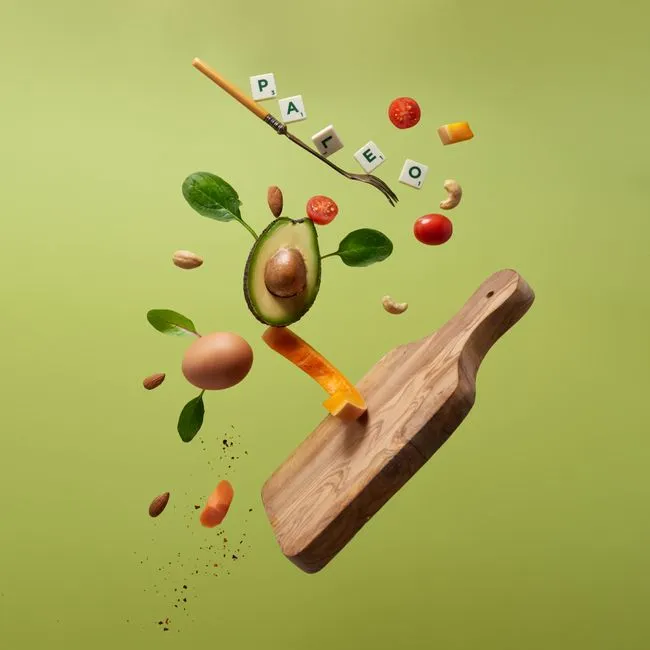
The modern paleo diet is inspired by ideas about foods available before large-scale agriculture. Common versions emphasize vegetables, fruit, meat, fish, eggs, nuts, and seeds while excluding grains, legumes, dairy, added sugar, and many highly processed foods.
That summary sounds tidy. The actual border is not. Published research has used varying definitions, and everyday paleo communities disagree about potatoes, salt, coffee, alcohol, sweeteners, oils, and dairy-adjacent variations. Human diets in the Paleolithic era also differed across vast stretches of time and geography. “Paleo” therefore describes a contemporary eating pattern, not one historically exact dinner plate.
What commonly goes on the plate
A typical paleo-style meal might combine:
- Vegetables, including leafy, cruciferous, root, and starchy options
- Fruit
- Meat, poultry, seafood, or eggs
- Nuts and seeds, where allergies allow
- Fats such as olive, avocado, or coconut oil, depending on the version
- Herbs, spices, aromatics, and minimally processed seasonings
Common exclusions are wheat and other grains, beans and lentils, soy, peanuts, milk and most dairy products, refined sweets, and many packaged foods. But a product saying paleo on the front does not become nutritionally superior by typography. Read the ingredient list and consider the full meal.
Our paleo basics collection uses “common” and “often” deliberately. Anyone presenting one disputed list as a recovered Stone Age shopping receipt has acquired more certainty than archaeology issued.
What the label does not prove
Paleo does not automatically mean low-carbohydrate, ketogenic, high-protein, organic, allergen-free, or suitable for a particular medical condition. Fruit and starchy vegetables can contribute considerable carbohydrate. Nuts, eggs, fish, or coconut may create serious allergen concerns. Meat can be lean or fatty; vegetables can be abundant or decorative.
The pattern also does not guarantee weight loss, stable blood sugar, better digestion, reduced inflammation, or treatment of disease. Research has explored health outcomes, but definitions vary and evidence does not support universal miracle language.
If you have diabetes, kidney disease, gastrointestinal disease, cardiovascular concerns, an eating-disorder history, pregnancy-related needs, food allergies, or medications affected by diet, seek individualized advice from an appropriately qualified clinician or registered dietitian before making large restrictions.
Exclusion has practical tradeoffs
Removing grains, legumes, and dairy also removes familiar sources of fiber, calcium, vitamins, minerals, protein, convenience, and affordability from many people's diets. Those nutrients are not impossible to obtain elsewhere, but replacement requires planning.
The grocery budget may change too. A sensible plan need not revolve around specialty flours, premium jerky, or a coconut-based replica of every food that left. Frozen vegetables, eggs, canned fish where appropriate, seasonal produce, and less expensive cuts of meat can be practical. Still, no moral score attaches to whether a household can afford or wants this pattern.
Build one balanced paleo-style meal
Start with vegetables occupying a substantial part of the plate. Add a protein food, a suitable source of fat, and fruit or a starchy vegetable according to appetite and individual needs. Vary colors, plant families, protein sources, and cooking methods across the week.
For a concrete example, our sheet-pan paleo chicken combines chicken thighs, sweet potatoes, and broccoli with a measured garlic-lemon seasoning. It fits many common paleo lists without claiming a ceremonial purity certificate.
Write your own inclusion list before shopping. Are white potatoes included? What about vinegar, mustard, or a minimally processed canned ingredient? Clarity prevents every dinner from becoming constitutional litigation.
Use the useful parts without borrowing the hype
Some people appreciate paleo because it prompts more home cooking, vegetables, and attention to ingredients. Those habits can exist without prehistoric storytelling or rigid identity. Others prefer eating patterns that include whole grains, legumes, or dairy, all of which can fit nutritious diets for many people.
Judge the approach by nutritional adequacy, health context, sustainability, enjoyment, access, and how well it works in real life. A food framework should help plan dinner. When it begins demanding loyalty oaths from a chickpea, the framework may need a little fresh air.