Sheet-Pan Paleo Chicken with Sweet Potatoes
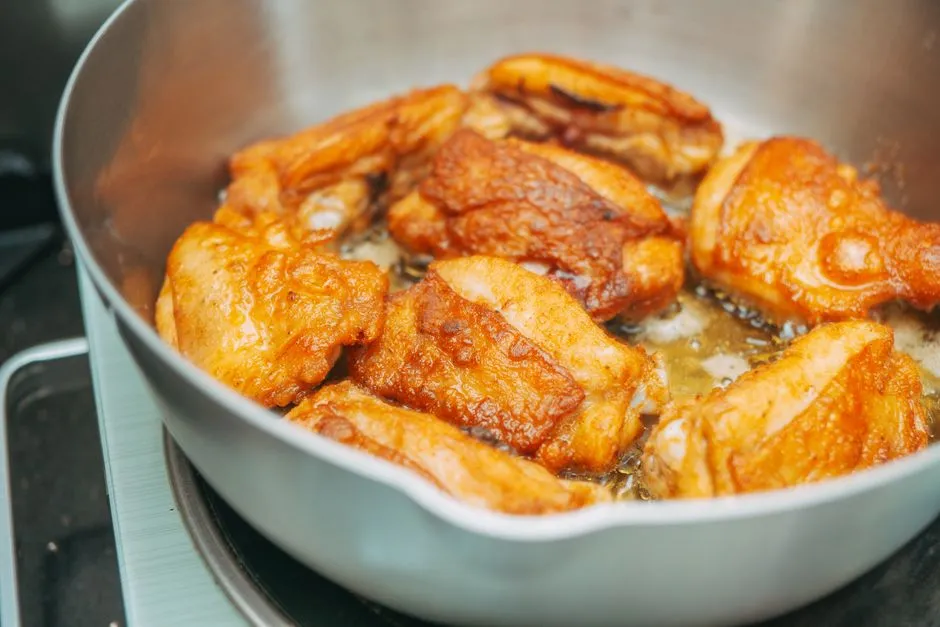
One pan works when the ingredients do not start together
Chicken thighs, sweet potatoes, and broccoli can share a sheet pan, but they should not all enter the oven at once. Dense sweet potatoes need a head start; broccoli joins last so it browns without collapsing. The result is a complete paleo-style dinner rather than one perfectly cooked ingredient supervising two regrets.
This recipe makes four servings and fits many common paleo conventions. Check every packaged ingredient against your own framework and allergen needs.
Ingredients
- 1 1/2 pounds boneless, skinless chicken thighs, 4 to 6 similar pieces
- 1 1/2 pounds sweet potatoes, scrubbed and cut into 1-inch cubes
- 12 ounces broccoli florets, cut to similar size
- 3 tablespoons olive or avocado oil, divided
- 3 garlic cloves, finely grated or minced
- 1 teaspoon sweet paprika
- 1 teaspoon dried oregano
- 1 teaspoon fine salt, divided
- 1/2 teaspoon black pepper, divided
- 1 lemon
- 2 tablespoons chopped parsley, optional
Keep raw chicken refrigerated and separate from produce and ready-to-eat food. Do not wash it; splashing can spread contamination around the sink.
Give the sweet potatoes a head start
Heat the oven to 425°F (218.3°C). Line a large rimmed sheet pan with parchment for easier cleanup, or lightly oil the bare pan. Use a pan large enough to hold everything in one layer by the final stage; crowding traps steam.
Toss the sweet-potato cubes with 1 tablespoon oil, 1/4 teaspoon salt, and 1/8 teaspoon pepper. Spread them across the pan with space between pieces. Roast for 15 minutes.
While they cook, prepare the chicken and broccoli using separate clean equipment where necessary.
Season the chicken and vegetables separately
In a large bowl, mix 1 tablespoon oil, the garlic, paprika, oregano, 1/2 teaspoon salt, and 1/4 teaspoon pepper. Add the chicken thighs and turn until evenly coated.
In another bowl, toss the broccoli with the final 1 tablespoon oil, remaining 1/4 teaspoon salt, and remaining 1/8 teaspoon pepper. Zest half the lemon over the broccoli if desired, keeping the bitter white pith on the fruit.
After the sweet potatoes have roasted for 15 minutes, turn them with a clean spatula and move them toward the pan edges. Add the chicken in one layer at the center. Return the pan to the oven for 10 minutes.
Add broccoli, then measure chicken doneness
Remove the pan and arrange the broccoli in the remaining spaces. If the pan is crowded, use a second hot pan rather than building a vegetable cairn. Roast everything for another 12 to 18 minutes.
Begin checking the chicken at the early end. Insert an instant-read thermometer into the thickest part of every thigh. Each piece must reach at least 165°F (73.9°C). Color and clear juices are not substitutes for a temperature reading.
The sweet potatoes should accept a fork easily and show browned edges. The broccoli should be tender at the stem with crisp, darkened tips. If the chicken finishes first, move it with clean tongs to a clean plate and let the vegetables roast longer. If vegetables finish first, remove them and continue cooking the chicken. The thermometer outranks the group photo.
Finish with lemon, then taste
Rest the chicken for five minutes. Squeeze half the lemon over the entire pan, toss the vegetables gently, and taste. Add more lemon or a small pinch of salt only if needed. Scatter with parsley if using.
Divide the chicken and vegetables among four plates. More meals using commonly accepted ingredients live in the paleo recipes collection, while our practical paleo guide explains why ingredient lists differ.
Substitutions that preserve the method
Carrots or winter squash can replace some sweet potato when cut to comparable 1-inch pieces, though timing may shift. Cauliflower can replace broccoli and should still enter near the end. Chicken breast works, but begin temperature checks earlier because lean meat dries more readily.
Do not substitute frozen chicken without a recipe specifically developed for it. Thaw safely first so pieces cook evenly within this timetable.
Refrigerate leftovers promptly in clean, covered containers. Reheat the portion you need until thoroughly hot. For a crisp revival, use a hot oven rather than a microwave, but accept that broccoli on day two has stopped auditioning for crunch and is now pursuing a quieter career.